

“我在汇仲做律师”这个话题颇有一种向外国友人介绍中国文化的玄妙,起初觉得处处皆可行文,毕竟上万的工作小时里挑一些有趣的分享想来不会是什么难事,但下笔时又发现似乎哪哪都有遗漏,即使天天在文字堆里敲敲打打,几笔写出争议解决律师工作的滋味也并不算容易,颇有一种“只缘身在此山中”的困恼。
某一天深夜,随手翻开身边一本杂志,恰好读到了村上春树的炸牡蛎理论,“诚如所言,几乎不可能用不足四页稿纸来描述自己。……那为何不试着描述一番炸牡蛎呢?通过你描述炸牡蛎,你与炸牡蛎的相互关系及距离感会自然得到体现,这追根溯源也等于描述你自己。”尽管到目前为止并没有尝试过炸牡蛎,不过如果你问什么运动让我觉得和律师工作有颇多相通之处,我会将我的选票实名投给滑雪。
因为不是滑雪教练,所以下文很多滑雪的描述和内容可能并不精准,但滑雪时的很多瞬间的确找到了工作中很多感受的共鸣,所以借这个切入口来分享下工作的一些感受。另外,如果有之前没滑过雪的读者因为此文想尝试滑雪,请务必找一名教练,因为滑雪和律师一样,都是一个应该备好保险再practice的活动。
Talking about “practicing law at Hui Zhong” feels a little like introducing Chinese culture to foreign friends. At first glance, there seemed endless angles worth writing about—after tens of thousands of billable hours, picking out a few interesting anecdotes ought to be straightforward. Yet once I sat down to write, every angle felt incomplete. Even though I spend my days buried in written work, capturing the true essence of a dispute resolution lawyer’s life in a few paragraphs proved far harder than expected, leaving me trapped in the familiar feeling of not seeing the mountain for the trees.
Late one night, I flipped through a magazine and stumbled across Haruki Murakami’s Fried Oyster Theory. “It is nearly impossible to describe yourself within four pages of manuscript paper,” he writes. “But why not try describing fried oysters instead? In depicting fried oysters, your relationship and sense of distance to them will naturally emerge—and in the end, that amounts to describing yourself.” I have never actually tried writing about fried oysters, yet if you ask me which sport mirrors legal practice most closely, my answer is unequivocally skiing.
I am no ski instructor, so many of my observations on skiing below may lack technical precision. Still, countless moments on the slopes resonate deeply with my daily work, and I want to share those parallels here. A quick note to anyone new to skiing who might feel inspired to try it after reading this: always book a certified instructor first. Skiing, much like practicing law, is an activity you should only pursue with proper insurance coverage.

滑雪从山脚开始
滑过雪的朋友肯定都有印象,在开始让人心跳加速的滑行前会有一个相对漫长的爬升与准备,无论是新手区的魔毯、小坡的T-bar、漏风的吊椅、一直排队的缆车还是小火车,都是绕不开的上山路,而且上山前的装备检查和热身活动也是必不可少的准备工作。
在滑雪的缆车里,我就时常感叹这个过程和争议解决律师的工作何其相似,客户在案件里对律师的直观感受除了会议汇报外,最重要的可能莫过于开庭时高度对抗的“精彩时刻”,但在这之前其实团队会有大量的时间投入到相对不那么“鲜艳”的准备工作当中,而这段“蓄势”的工作也是登顶前必不可少的过程。
事实上,作为一个争议解决律师,工作的大部分其实是埋头案牍当中的“平淡”时光,一个案件在收案后会被拆解成大大小小的阶段,从案件材料的归类、大事记的梳理、法律问题的提炼与检索、外国法的查明、不同法域团队的分工安排、案件策略的反复推敲、各阶段文书的草拟等等,扎实与充分的基础工作是一次顺利开庭的必要保证。曾和客户也聊起过,国际仲裁当中一次五日的开庭,往往针对开庭的工作准备时间是远超五天这个纸面的时间段,刨去开庭陈词以及交叉盘问准备的实体内容,例如从程序角度,在一次实体开庭前双方代理人往往要投入大量的准备与时间来磋商与安排时间表、庭审室、翻译员、速录员、庭审设备等这些必要的前置工作,这些工作就像滑雪时上山的缆车,属于必须安全落实的“蓄势”过程。
另外,一个有意思的观察是在重大案件开庭前,如果你走进办公室里稍加感受,同事们的“气场”是会有变化的,经常会感觉像极了清晨“顶门”(即坐最早一班缆车上山)滑雪者快到山顶前想要第一波征服大山的紧绷感。
The Climb Begins at the Mountain Base
Anyone who skis knows that before the heart-pounding downhill runs comes a long, unavoidable ascent. Whether it’s the magic carpet for beginners, T-bars on gentle slopes, drafty chairlifts, endlessly queued gondolas, or mountain trams, there is no shortcut up the mountain. Gear checks and warm-up stretches before heading uphill are equally non-negotiable.
Sitting in ski lifts, I often marvel at how this process mirrors the work of a dispute resolution lawyer. Clients only witness the high-stakes, dramatic courtroom hearings when they picture our work. What they rarely see is the countless hours our team pours into the unglamorous preparatory work—the vital uphill grind before we reach the peak.
In truth, most of a litigator’s career consists of quiet, desk-bound toil. Once a case is accepted, it breaks down into countless stages: sorting case files, compiling chronologies, distilling and researching legal issues, ascertaining foreign laws, coordinating cross-jurisdictional teams, iterating case strategies, and drafting pleadings for every procedural phase. Thorough, solid foundational work is the bedrock of a smooth hearing. I have discussed this with clients before: a five-day international arbitration hearing demands far more than five days of preparation. Beyond drafting opening statements and cross-examination outlines, teams spend countless hours negotiating hearing timetables, reserving courtrooms, arranging interpreters and court reporters, and coordinating technical equipment. All this pre-work is the equivalent of riding the lift uphill—mandatory groundwork that must be safely locked in before the descent.
Another striking observation: before a major hearing, you can feel a tangible shift in your colleagues’ energy around the office. It resembles the taut anticipation of skiers who arrive on the first chairlift at dawn, eager to be the first to carve fresh tracks down the mountain.

教练与训练
身边不少滑雪的朋友都有讨论教练授课和训练的问题,常常会遇到的情况便是教练带滑时,你能快速地发现滑行中的问题并得到一个客观的反馈,但一旦教练课结束,自己的滑行的水平又似乎下滑严重,需要“狠狠”地练上一阵才能感觉有所进展。
在法律工作当中,合伙人或前辈律师也扮演着“教练”的角色,很幸运从一开始执业就有合伙人们一起带着啃“大案”和“难案”,很庆幸所内案件承办的一大特点也是合伙人级别律师同样会深度参与案件的办理,案件合办机制也提供了领略不同合伙人的风格的机会。你在雪场通过不同教练课程经常能收获不同的训练小技巧,而在各个案件当中我也经常会有“瞳孔地震”的瞬间,经常佩服一些合伙人能在数小时内完成预计要耗费几日完成的庭审准备并在开庭中干净、准确而有力地将观点输出,也很羡慕合伙人们能够在几分钟内火速化解快爆表的客户焦虑值的高超控场能力,而合伙人级别律师的仲裁员与法官视角也往往能将“代理人盲区”的风险点精准定位,紧跟教练们的划痕学习无疑是让你滑行水平跃升的捷径之一,工作当中也着实从合伙人们的微妙操作里收获不断。
但就像滑雪中的教练训练一样,教练课结束后毕竟这个雪道还是得自己下,所以律师作业当中的自我反思和总结也是技巧提升的重要方式。随着工作年限的增长,也慢慢会发现工作当中合伙人从领滑人的角色切换到了监督者的角色,往往是在动作轻微变形或可进一步改善时才会介入提醒,而更多时候提升会更依赖于个人的反思与总结。回顾工作中技能的熟练与提升似乎并非大踏步式的直线增长,而是类似于滑雪水平中的曲折式波动,这里借用一张双板滑雪者圈内经常被引用的水平参考图,深觉律师的执业技巧训练也是这样一个需要耐心锤炼的过程,并且时常伴随各种波折。
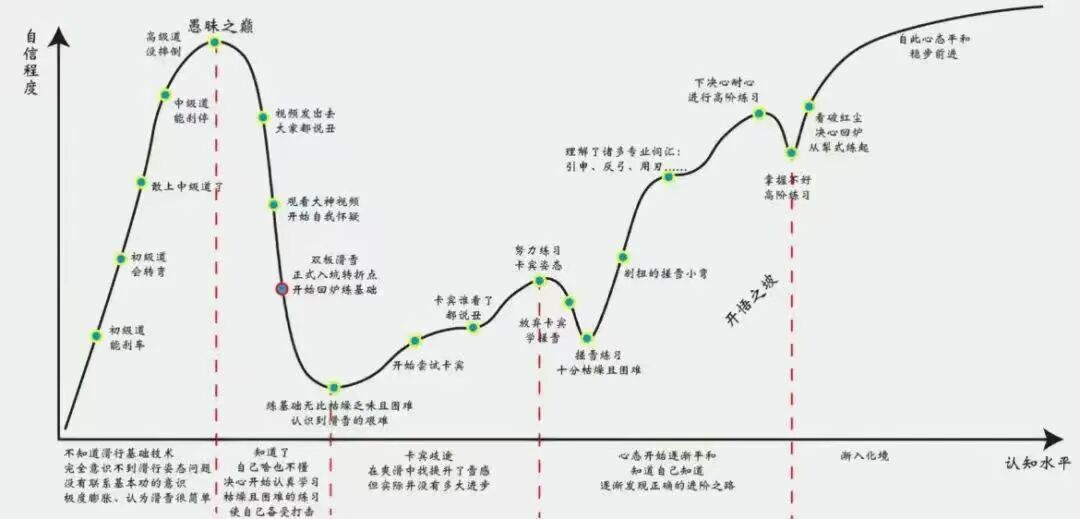
图片引用自中国探险协会文章《做好这几点!滑雪的尽头不再是“骨科”》,可访问:https://caa1993.org.cn/content/86/2742.shtml
同法律行业一样,“魔鬼藏在细节里”也适用于滑雪。双板滑雪中有时候技巧的提升可能是通过一些极其细微的变化实现,例如用脚掌哪根指头发力以及重心切换的时间点的微小调整,而类似地在争议解决律师工作当中,有时候文件中一个反复推敲的关键词汇或叙事顺序的调整,便可能会使文件的说服力与可读性有明显的提升。但就像世界上不会存在最标准的滑雪姿势一样,法律文书也不会有一个满分的标准答案,但在准确性、丰富性、逻辑性以及可读性等维度的目标仍然是大家一致追求的,而案件承办当中反复推敲、打磨的过程,同滑雪训练一样,在积累到一定程度后都会开启一个阶段性的“开悟之坡”,当然如果进展似乎不如预期也没关系,正所谓进一寸有一寸的欢喜,不过在汇仲这个高手云集的集训队里,其实也很难“懈怠”,必须时时提起十二分精神。
Coaches and Constant Training
Many skiing friends and I often discuss lessons and practice. A ski coach can quickly pinpoint flaws in your technique and offer objective feedback mid-lesson, yet your skill often regresses sharply once the lesson ends, requiring intensive solo practice to regain progress.
Partners and senior counsel fill the role of “ski coaches” in legal practice. I am fortunate to have worked alongside partners tackling complex, high-stakes matters from the start of my career. A hallmark of our firm’s case handling is that partners remain deeply involved in every matter, and our co-counsel system lets me observe the distinct styles of different senior lawyers. Just as each ski instructor shares unique technical tips, working on diverse cases constantly delivers eye-opening revelations. I am endlessly impressed by partners who can finish a full day’s hearing prep in mere hours, delivering crisp, precise, persuasive arguments in court. I also admire their unmatched ability to defuse spiraling client anxiety in minutes. Drawing on their perspective as former arbitrators and judges, partners pinpoint hidden risks that junior counsel often overlook. Following the tracks left by these seasoned coaches is the fastest way to elevate your craft, and I learn endlessly from their subtle, masterful maneuvers on every case.
Yet just as ski lessons end and you must navigate the slopes alone, self-reflection and debriefing are critical to growth in legal work. As my career advances, partners have gradually shifted from leading every turn to supervising from the sidelines—only stepping in to correct minor missteps or suggest improvements. Most growth now stems from my own post-case reflection. Legal skill does not advance in a steady linear climb; it fluctuates unevenly, much like a skier’s progress curve widely shared among alpine enthusiasts. Mastering legal craft demands patience, and setbacks along the way are inevitable.
As with law, skiing proves the devil is in the details. Small technical tweaks—shifting pressure on specific toes or adjusting weight transfer timing—can drastically improve your carving. Similarly, refining a single pivotal phrase or restructuring the narrative flow in legal papers can dramatically boost their persuasiveness and readability. There is no single “perfect” ski technique, just as there is no flawless template for legal drafting. Still, we all strive for accuracy, depth, logic and clarity in our written work. Iterating and polishing pleadings, like repeating ski drills, triggers a breakthrough moment once enough groundwork accumulates. Even if progress feels slow, every small improvement is worth celebrating. That said, working among Hui Zhong’s cohort of elite practitioners leaves little room for complacency—constant focus is mandatory.

分叉口
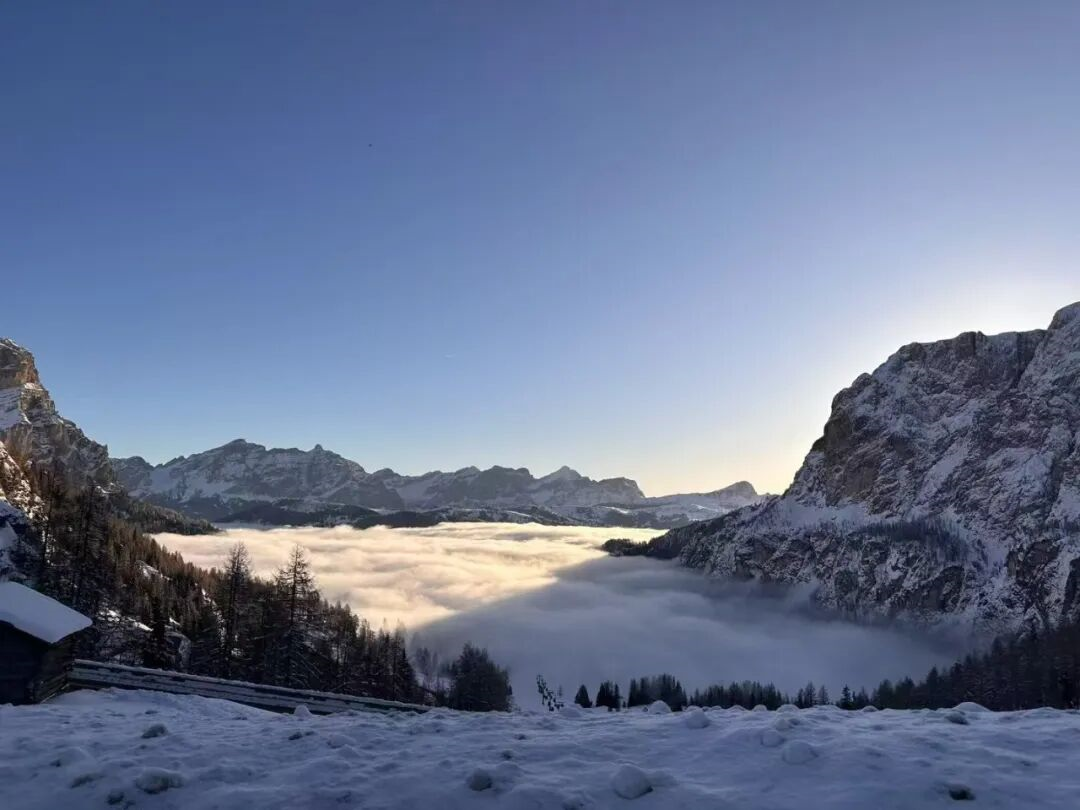
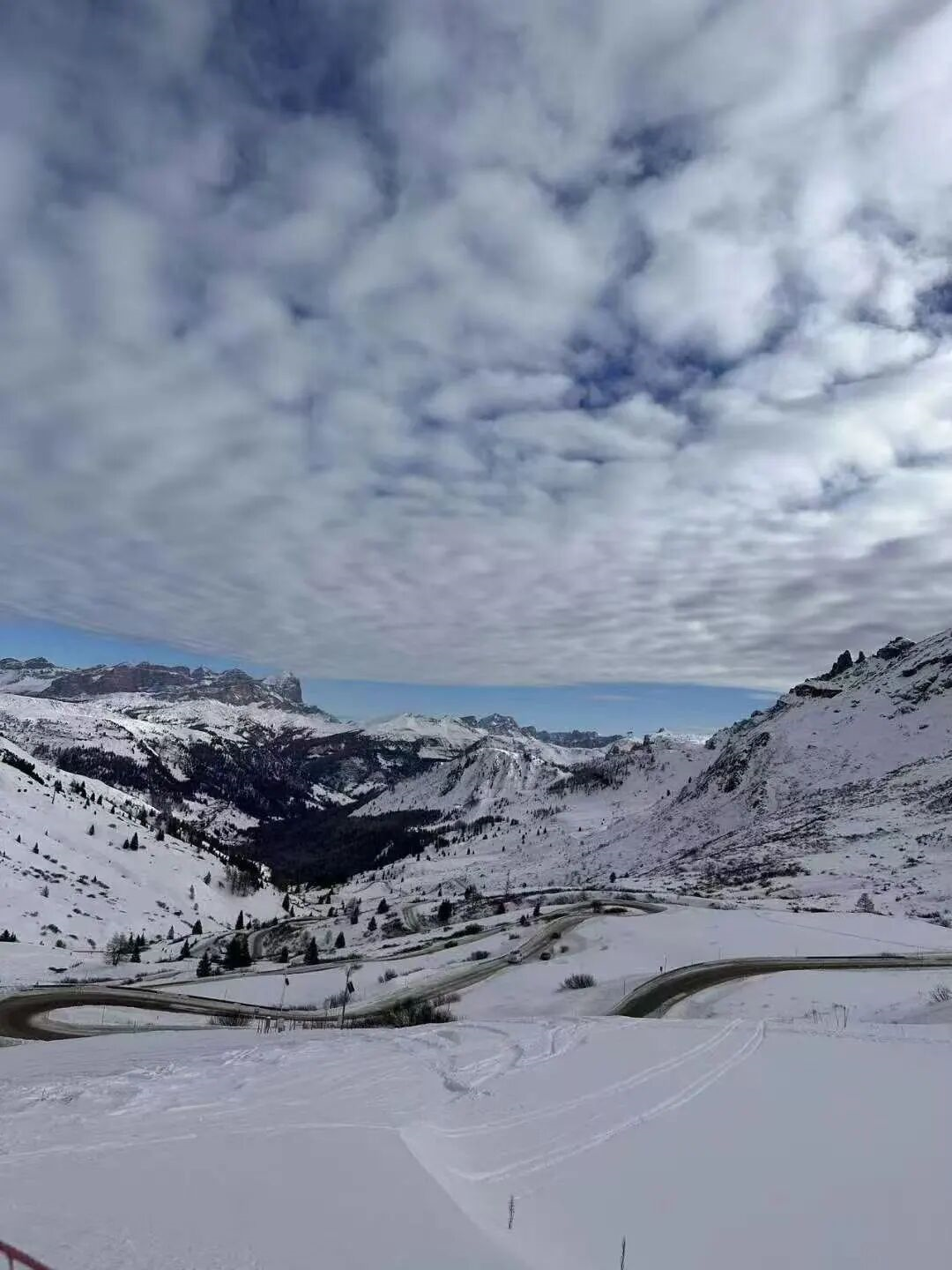
由于滑雪水平提升过慢的缘故,我从滑雪中收获的除了滑行体验之外,也在于“滑大山”的独特风景,而在一些大雪场中,滑雪路线的选择常常能够直接影响滑雪体验。意大利多洛米蒂的Sella Ronda环线几乎是每个去多洛米蒂的滑雪爱好者都会体验一遍的项目,这个约40公里的环线由数十个雪道群穿越的群山组成,整个环线需要滑雪者在数十个岔路口作出正确的判断,雪道的连接点尽管沿路一直有路标提示,但偏差一次可能便会需要绕回好一阵,如果错的次数多了错过了最后几班吊椅的下班时间,那便要花上几百欧打辆出租车翻山越岭回到起点。
去年冬天,坐在一辆返回起点的出租车中,我心里想到的便是滑雪时的路线选择与案子里的策略推演是何其相似,在一个案件当中律师需要协助客户作出大量的决定,而每一个重要的法律文件都会需要结合全局反复斟酌,例如管辖法院的选择、起诉状中当事方的列明、仲裁案件的程序时间表、诉讼(仲裁)请求里增加或删掉的一项甚至是书状里某个用词,都可能会对后面案件的整体程序甚至案件的结局产生影响,有时候结案时再拿起案件前段的文件,对文件中一些团队反复讨论修改的地方,便会颇有“草蛇灰线,伏脉千里”之感。
不同于滑雪的是,如果某条雪道雪质不佳或人太密集则可以坐缆车上山再来一次,但案件当中的决定却是无法回到原点的,案子里的决策即使是反复权衡几种方案利弊后作出,即使当时看来确实符合最优解,却依然无法避免由于事实或其他客观因素所带来的不确定性。事后复盘也常常会推演当时若换一条路线是否会有更好的风景,不免会有一点“遗憾”感,不过这种感觉往往是由于掌握了结果与进一步信息的缘故,而且如果选择另一条岔路可能也会面临其他未凸显的风险,因此常有感觉律师工作是一个追求最优解的过程,而即使将工作完成到极致可能也依旧无法抹除所有的不确定性。
面对无法控制的不确定性,争议解决律师工作当中经常面对的一个选择便是是否建议客户考虑和解,客户在评估和解方案时经常提出的一个问题便是“打下去会更好吗?会更坏吗?”每个案子里几方之间的业务关系、经济情况、案件事实、裁判者立场都会有差异,这时律师工作也与滑雪教练无比相似,必须结合类似“雪道”的滑行经验,给出分岔路左右两侧的建议。记得前几年一次团队年度内部回顾时,发现那一年案子整体和解比例非常高,客观上也是受到当时国内外经济形势的影响,而一个相对合理的和解方案在“确定性”这点上比起判决(裁决)“开盲盒”有着巨大的吸引力,的确在大风暴雪的日子里,快速抵达目的地会是滑雪者普遍的一个共识。
Forks in the Trail
My slow progress on skis means I gain more than just downhill thrills from the sport: I cherish the sweeping vistas afforded by mountain skiing. At large resorts, route choices entirely shape your experience. The Sella Ronda loop in Italy’s Dolomites is a rite of passage for every ski enthusiast, a 40-kilometer circuit winding through dozens of interconnected slopes. Skiers must make correct judgments at countless trail junctions; trail markers line every path, yet one wrong turn can cost you a lengthy detour. Miss the last chairlift after multiple missteps, and you face a costly taxi ride winding back over mountain passes.
Last winter, riding that taxi back to the resort base, I thought immediately of how ski route selection mirrors strategic case planning. Lawyers guide clients through countless critical decisions over the course of a dispute. Every major legal document requires weighing global context repeatedly: selecting a forum, naming parties in a complaint, setting arbitration procedural timelines, adding or removing claims, or even tweaking a single word in pleadings—each choice shapes subsequent proceedings and the ultimate case outcome. When revisiting early filings after a case concludes, I spot subtle, deliberate revisions our team debated at length, forming faint, far-reaching plot threads that echo across the entire matter.
Unlike skiing, however, legal decisions cannot be undone. Even after weighing every alternative and selecting what appears to be the optimal path, cases remain subject to unforeseen factual and external variables. Post-case debriefs inevitably prompt speculation over how a different strategic choice might have yielded better results, stirring faint regret. This hindsight bias stems from full knowledge of the final outcome and new information unavailable at the time of drafting; any alternative route would have carried its own unseen risks. Practicing dispute resolution is a perpetual pursuit of the best feasible outcome, yet no amount of meticulous preparation can eliminate all uncertainty.
Faced with unavoidable unknowns, one recurring crossroads for litigators is advising clients on settlement. Clients invariably ask: “Will litigation deliver a better result? Or a worse one?” Every case carries unique commercial relationships, financial realities, factual matrices, and judicial leanings. Here, lawyers act much like ski coaches, drawing on accumulated experience to outline the risks and rewards of each path. During our firm’s internal annual review a few years back, we noted an unusually high settlement rate that year, partially driven by broader domestic and global economic headwinds. A reasonable settlement delivers definitive certainty, a stark contrast to the unpredictable outcome of a judgment or award. Much like opting for an early exit during a brutal blizzard, certainty holds immense appeal for most parties.

没有一条雪道可以被轻松征服
今年冬天在滑雪时摔地比较重的一次并不是在坡度最陡的几条道,也不是在蘑菇坡上,而是某条人并不多但容易放速的道上,某一个雪包给我好好地上了一课,在雪场医务室里坐着的时候,脑袋里想的一直是“怎么就栽在这了”。回想起来,还是当时心里疏忽,导致速度悄然间超过了我能够控制的范围。
“疏忽”(或不完美)在工作当中当然无法避免,随着工作年限的变长,案件当中的角色也慢慢从顺着“之前的雪痕”滑行到直面大山、全局判断的心态,办案时心里的风险意识其实会比切割完成某一项工作更高,常常觉得工作时心态的调整就像双板滑雪过程当中的重心控制,要在“恰当好”的压力值上才能在保持稳定的同时确保灵活度。
就像双板滑雪爱好者当中也会有区分“卡宾”“小回转”“野雪”等许多个练习的方向,曾常常也在反思究竟什么样的路线才是最适合自己。在刚开始工作时,自己曾耗费不少力气训练法律检索来力争找到一个高度利于客户的“绝妙”好案作为王牌,也常要处理在数千封邮件里找到隐藏在角落中的几个“案件命门”的小考验,工作以来大大小小的案子也总是要“上下求索”力图摸清每一条可能的索赔或抗辩路径,不过最近愈发觉得其实工作仍应当对每一步都投以十分努力,正如兵法中“守正出奇”的道理,若能有“速胜”意外收获自然最好,但也必须要有十足的准备作为前提,就像上图中滑雪技能路径里所说,重视每项案件基本环节,常持从“犁式”(指双板滑雪的一个基本滑行姿势)练起的心态才是征服大山的正途。
No Slope Is Conquered Without Effort
The hardest fall I took last winter did not happen on the steepest black runs or mogul fields, but on a quiet, wide trail where speed creeps up unnoticed. A small snow humbled me completely. Sitting in the resort medical clinic afterward, I kept replaying the thought: How did I crash here? In hindsight, complacency had crept in, letting my speed outpace my ability to control my skis.
Oversights and imperfection are unavoidable in legal practice too. As I gain seniority, my role shifts from following established procedural tracks to mapping the full mountain landscape and weighing risks holistically. Calibrating risk awareness mirrors weight balance on alpine skis: maintaining moderate, steady pressure delivers both stability and flexibility.
Alpine skiers pursue distinct disciplines—carving, slalom, off-piste powder, to name a few—and I have long reflected on which path best suits my practice. Early in my career, I poured hours into legal research, hunting for landmark precedents that could serve as decisive trump cards. I also regularly sifted through thousands of emails to uncover tiny, case-determining clues. Every matter demands exhaustive exploration of all potential claims and defenses. Yet I increasingly believe thorough effort must underpin every step. As The Art of War teaches: “Fight with orthodox forces to engage the enemy, deploy unorthodox tactics to secure victory.” A favorable surprise win is welcome, but only built upon exhaustive foundational preparation. As ski skill progression charts illustrate, mastering the basics—starting with simple snowplow turns—is the true path to conquering steep mountains.

写在最后
这次会以滑雪为切入点分享自己的工作感受,部分是受到开头所提村上春树炸牡蛎理论的启发,正好也是几年工作以来的心得的确经常在滑雪时会被激活,所以将对比感受作文记录一下。工作后会喜欢上滑雪,除了身边朋友的影响外,很大的一个原因也是滑雪作为一个必须高度集中注意力的运动,可以短暂地切断工作当中积累的焦虑感,而滑雪的运动量又能在冬天这个室外活动选择极其有限的季节里激活一下身体,所以我也经常向身边的同事与朋友推荐。
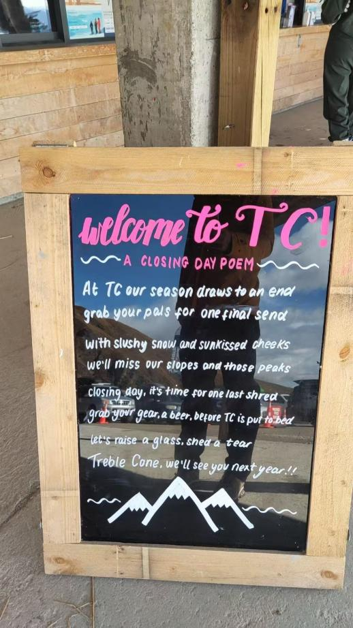
又或许,说到底征服大山的畅快同鏖战后赢下一场案件的满足本就是有着相似的底色,无不是基于全力投入与不断突破自我的过程,最后借用Treble Cone雪场中见到的一首小诗,祝大家都能享受每一次出发。See you on the next mountain.
Closing Thoughts
I drew inspiration from Murakami’s Fried Oyster Theory to frame my reflections on legal practice through skiing. My years of experience as a litigator consistently resurface when I am on skis, so I set down these parallel observations in writing. Beyond peer influence, I gravitate toward skiing because it demands total focus, briefly quieting the cumulative stress of legal work. Its physical exertion also keeps the body active during winter, when outdoor activity options are limited, and I often recommend it to colleagues and friends.
Perhaps the exhilaration of summiting a mountain and the satisfaction of prevailing after grueling litigation spring from the same core feeling: both stem from wholehearted dedication and constant self-improvement. I’ll close with a short poem I spotted at Treble Cone ski resort, and wish everyone joy on every new journey. See you on the next mountain.
上下滑动查看更多
作者介绍
郑俊炜律师
郑俊炜律师主办及协助处理了数十起跨境诉讼案件、涉外仲裁案件与国际仲裁案件,涉及国际贸易纠纷、股权回购纠纷、委托协议纠纷、经销协议纠纷、跨境清盘程序等,并参与多起涉外合规案件,获得良好反响。
zhengjunwei@huizhonglaw.com