
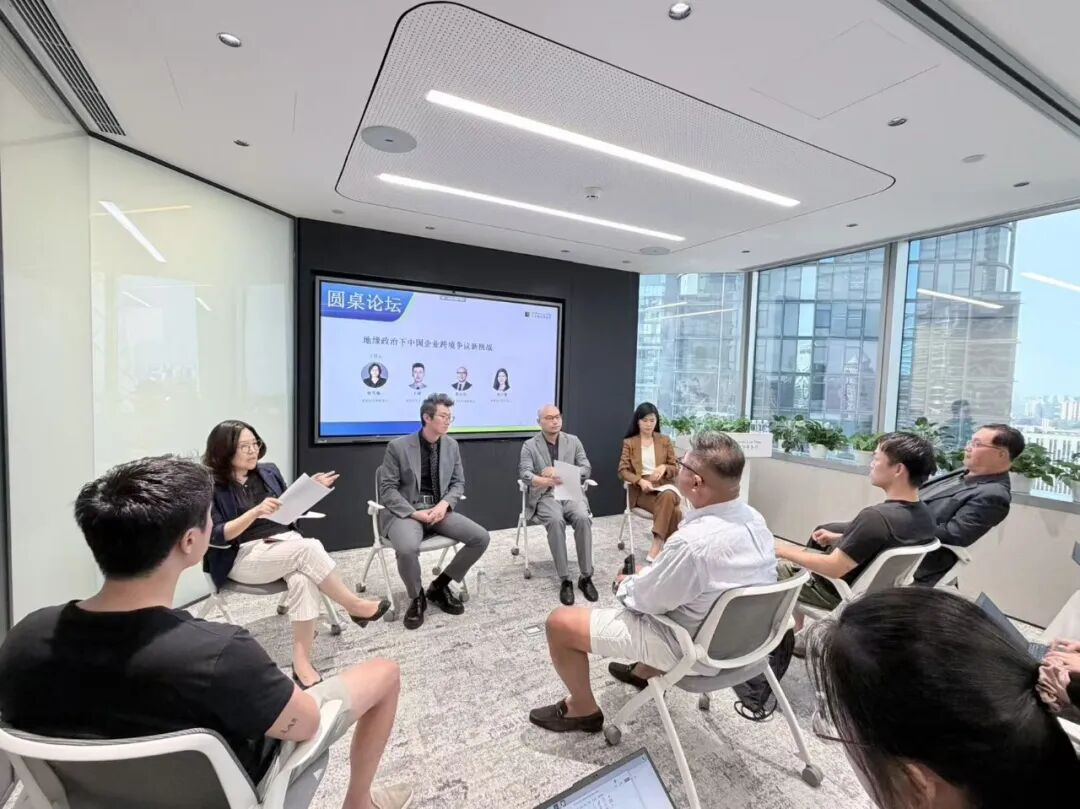
2026年7月8日下午,汇仲律师事务所在北京办公室成功举办以“地缘政治与中国企业的跨境争议”为主题的客户专题座谈会。本次活动围绕地缘政治风险引发的争议类型、预防与应对措施,以及地缘政治对仲裁程序的影响等核心议题与前来的各大企业法务和主管展开了近两个小时的深入交流。
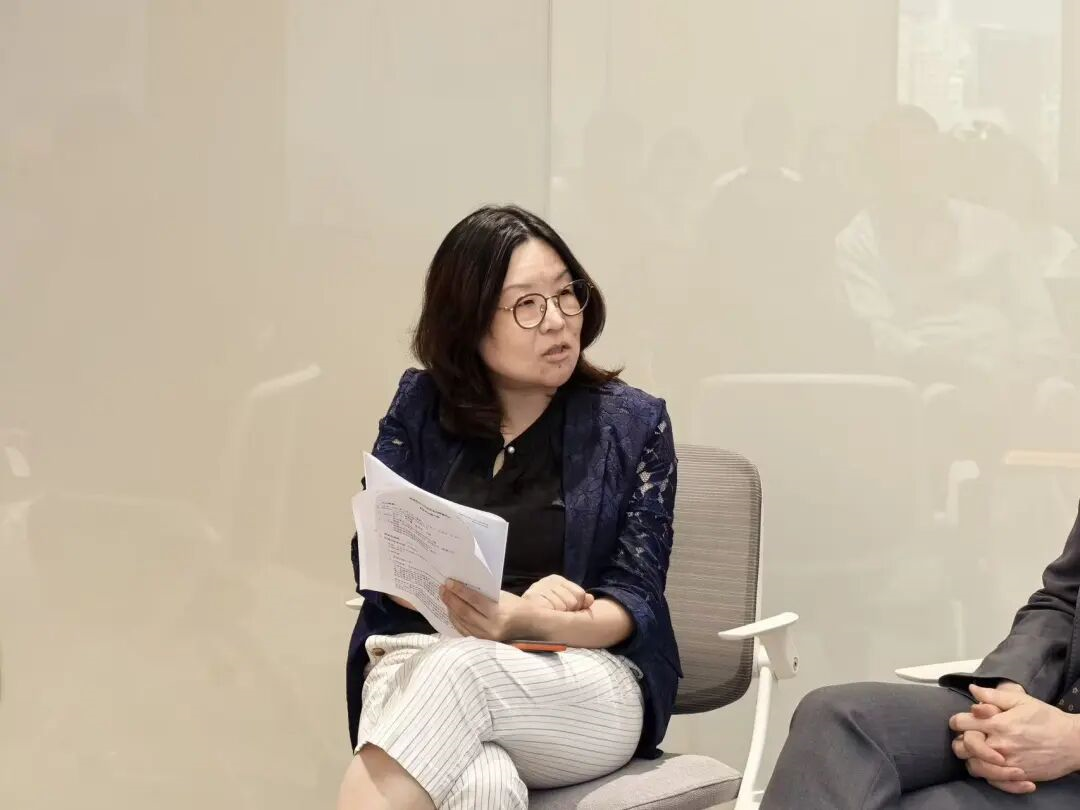
活动由汇仲北京办公室合伙人杨雪瑜律师主持。她在开场中指出,近年来全球政治与经济格局深刻变化,使中国企业在跨境经营与投资中面临高度复杂的法律环境与合规压力,这正是本次活动希望重点回应的现实关切。随后,杨雪瑜律师介绍了三位发言人——汇仲北京办公室合伙人王赫律师、北京和香港办公室合伙人章丞亮律师以及香港办公室合伙人郑可馨律师。
The seminar was moderated by Xueyu Yang, Partner at Hui Zhong Beijing Office. In her opening remarks, she noted that profound shifts in the global political and economic landscape have exposed Chinese enterprises operating and investing cross-border to an extremely complex legal environment and heavy compliance pressure — the real-world concerns this seminar was designed to address. Ms. Yang then introduced the three featured speakers: He Wang, Partner (Beijing); Chengliang Zhang, Partner (Beijing & Hong Kong); and Kexin Zheng, Partner (Hong Kong).

地缘政治引发的不同争议类型
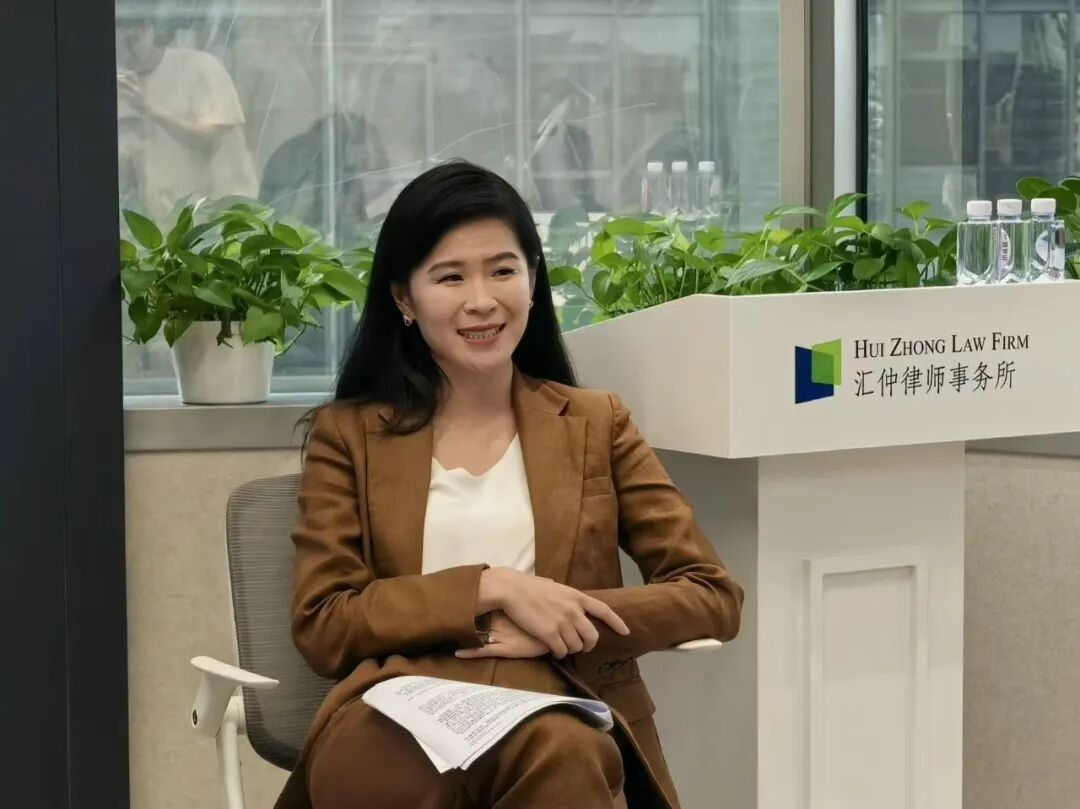
郑可馨律师结合自身经历指出,地缘政治最直接的表现是因国家关系变化引发的突发性政策和法规变动,这类问题无法单纯依靠传统法律逻辑解决,需要更具策略性的应对。关于具体争议类型,章丞亮律师强调,地缘政治通过制裁、供应链、东道国政策变化等多维度影响跨境交易,可能直接改变合同效力或剥夺投资者利益。王赫律师则从司法实践角度补充,地缘政治因素使得争议解决中除法律规范外,还需考量国家意志和安全利益。郑可馨进一步补充了国家安全法规加强带来的新风险,她以英国《国家安全与投资法》为例,说明该法赋予政府追溯审查权,曾有一家中国私募基金在投资完成两年后被强制剥离芯片产业股权,造成重大损失。
Categories of Disputes Stemming from Geopolitical Factors
Kexin Zheng opened by observing that the most direct geopolitical fallout lies in abrupt policy and regulatory shifts triggered by changes in state-to-state relations, issues that cannot be resolved purely through traditional legal reasoning and demand highly strategic handling. Chengliang Zhang elaborated that geopolitics disrupt cross-border transactions through multiple channels such as sanctions and supply chain adjustments, which may directly invalidate contracts or deprive investors of their lawful interests. From a judicial practice perspective, He Wang added that dispute resolution under such circumstances requires consideration of state interests and national security alongside statutory provisions. Zheng further highlighted new risks brought by tightened national security legislation. Citing the UK National Security and Investment Act as an example, she explained that the statute grants authorities retrospective review powers. One Chinese private equity fund was forced to divest chip industry equity two years post-investment, suffering massive financial losses as a result.

对地缘政治风险的预防与救济措施
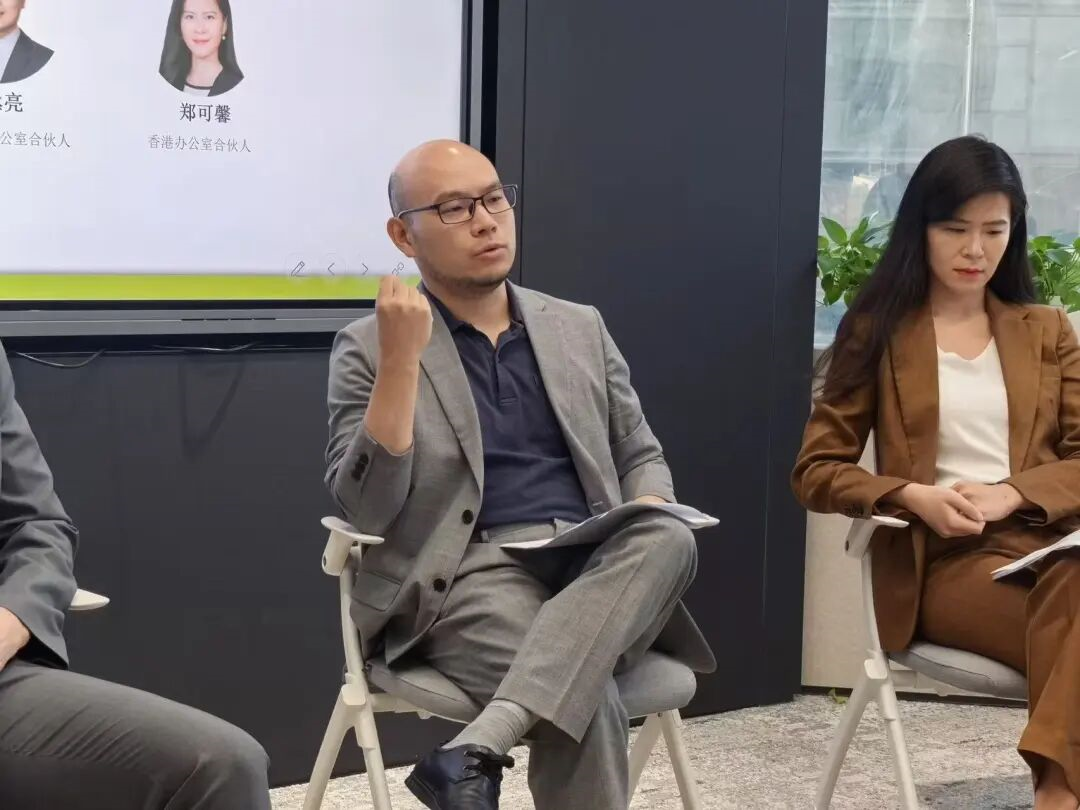
在预防层面,三位嘉宾从合同设计、合规筛查和交易结构等角度提出建议。章丞亮律师强调,应在合同中设置专章约定战争和制裁风险,并优化上下游产业链合规设计。王赫律师建议,需对交易对手及关联方进行OFAC SDN清单和欧盟制裁名单筛查,避免二级制裁风险传导,同时在仲裁地选择、不可抗力、陈述与保证等条款上提前规划。郑可馨律师补充,尽职调查应关注政府已公开讨论的政策倾向,对官员的安抚性承诺保留书面证据;争议解决条款优先选择仲裁,因为当地法院在国家安全问题上难以保持中立,仲裁庭是企业获得公平裁决的最可行渠道。
Preventive & Remedial Measures Against Geopolitical Risks
The three panelists shared actionable recommendations covering contract drafting, compliance screening and transaction structuring:Chengliang Zhang advised standalone contractual clauses addressing war and sanction risks, alongside optimized compliance frameworks for upstream and downstream supply chains. He Wang recommended screening transaction counterparties and affiliated entities against the OFAC SDN List and EU Sanctions Lists to avoid secondary sanction spillover risks, with advance planning for arbitral seat selection, force majeure, representations and warranties clauses. Kexin Zheng stressed thorough due diligence on publicly debated government policy proposals, and retention of written evidence for verbal reassurances from regulatory officials. She also prioritized arbitration in dispute resolution clauses, reasoning that domestic courts lack neutrality on national security matters, while arbitral tribunals offer the most viable path to impartial awards for enterprises.

地缘政治对仲裁程序的影响
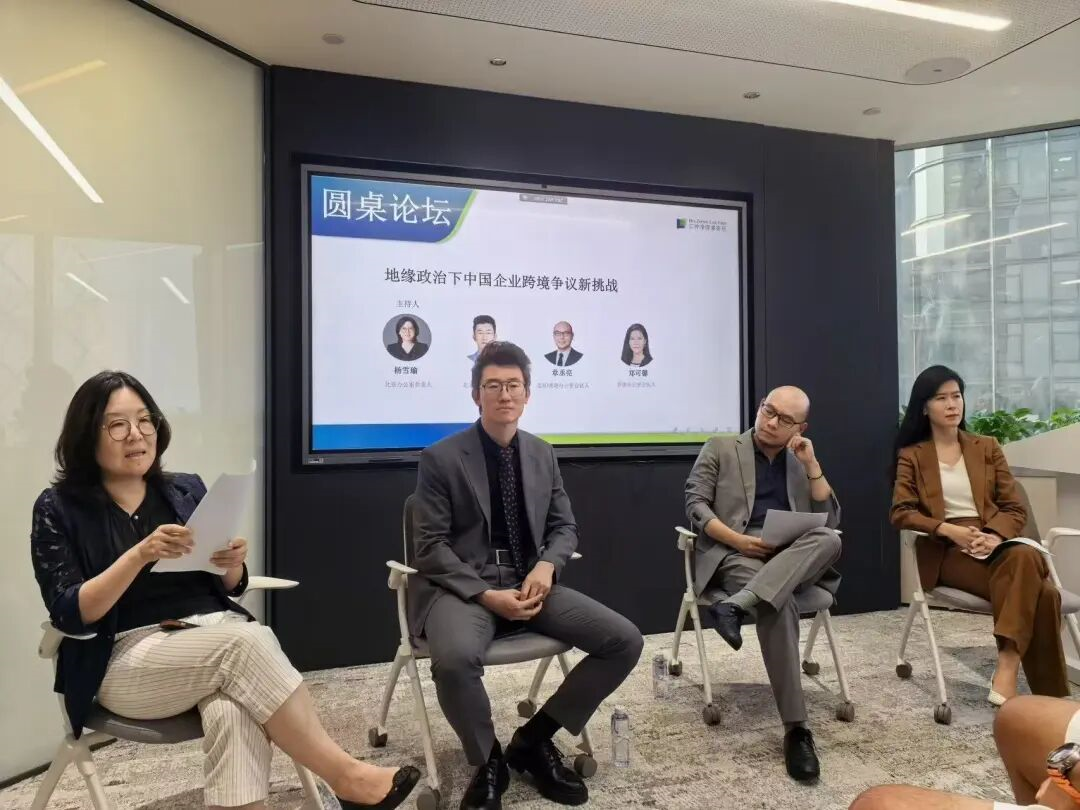
关于地缘政治对仲裁程序本身的冲击,郑可馨律师指出,涉及国家安全的案件需在策略上精心设计,可从技术层面弱化政治色彩,或主张国籍歧视。她强调,投资仲裁的价值在于为企业提供对抗政府行为的申诉平台,政府不能仅以国家安全为由拒绝披露证据。章丞亮和郑可馨分别分享了处理外国制裁措施理解、文件披露难题等实务案例。王赫律师则从司法实践出发,分析了地缘政治对仲裁协议效力的影响,指出当前中国法院仍持尽量使仲裁协议有效的审慎立场,且作为《纽约公约》缔约国,在仲裁承认与执行方面有成熟机制。随后,章丞亮和郑可馨结合国际律所和汇仲的双重经历,谈到仲裁员选择、专家选任、内外律师协作等考量,并特别提到国际仲裁中部分外国仲裁员和律师对中国客户存在偏见或缺乏理解,强调熟悉中国法律与实践的本地律师在此类案件中的不可替代性。
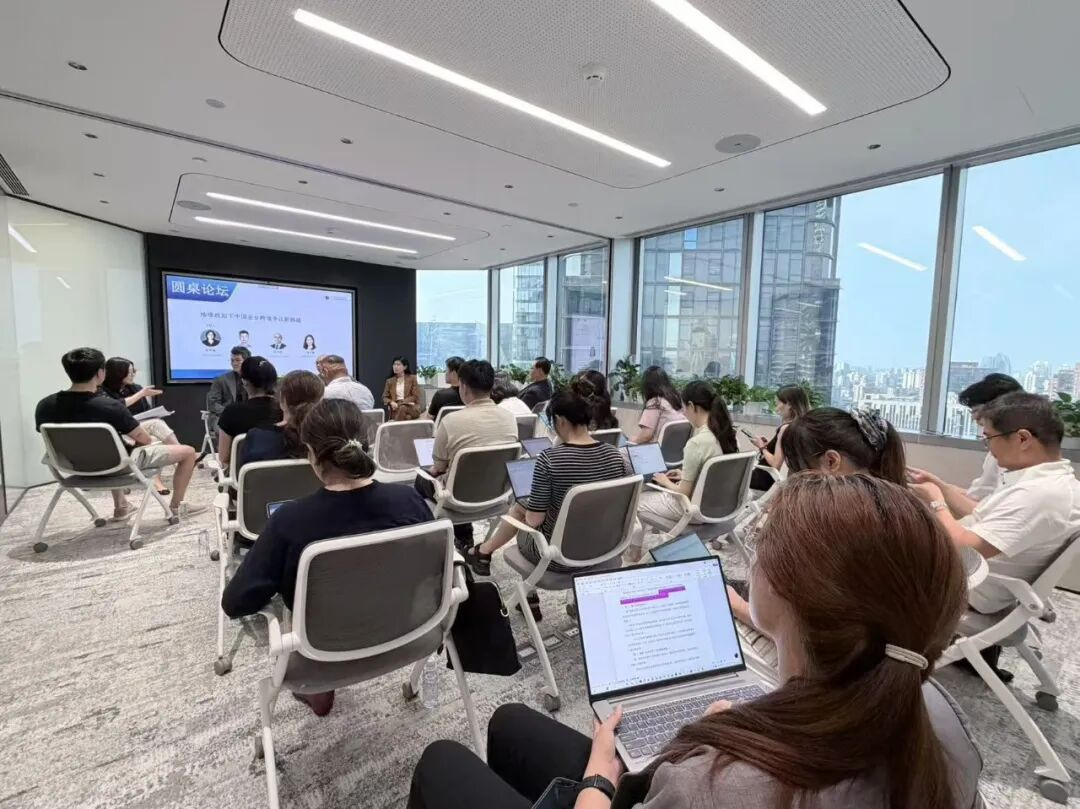
本次座谈会的成功举办,进一步体现了汇仲律师事务所通过律师与企业之间的双向赋能,将一线实践中的真实痛点与代理经验相结合,沉淀为可落地、可分享的实务技能。与大型公开活动不同,本次圆桌会议与会者围绕各自业务中遇到的实际问题与发言人进行了交流。未来,汇仲奖继续围绕企业关注的高频难点,举办更多专题活动,诚邀各界同仁持续关注与参与。
Geopolitical Impacts on Arbitral Proceedings
On geopolitical disruptions to arbitration itself, Kexin Zheng stated that cases touching national security demand carefully calibrated litigation strategies, such as minimizing overt political framing or raising arguments around nationality discrimination. She emphasized that investment arbitration provides a forum for enterprises to challenge state conduct, and governments cannot withhold evidence solely on national security grounds. Chengliang Zhang and Kexin Zheng also shared real-case experience regarding interpretation of foreign sanctions and documentary disclosure hurdles.
Drawing on judicial practice, He Wang analyzed geopolitical interference with the validity of arbitration agreements, noting Chinese courts adopt a pro-arbitration stance to uphold arbitral clauses wherever possible. As a signatory to the New York Convention, China has mature frameworks for the recognition and enforcement of arbitral awards.
Drawing on combined experience from international firms and Hui Zhong, Chengliang Zhang and Kexin Zheng discussed key considerations in arbitrator and expert appointment, plus coordination between local and foreign counsel. They particularly pointed out bias or limited contextual understanding of Chinese clients among some overseas arbitrators and lawyers, underscoring the irreplaceable value of local practitioners well-versed in Chinese laws and market realities.